Selling property in Hermanus: 20 common questions answered
By Simon Andrew | rare erf seller advisory
About the author: Simon Andrew is the founder of Rare Erf, a seller advisory service for property owners in Hermanus and the Overstrand. A property consultant for Fine & Country, the international real estate agency network specialising in upper-bracket properties, Simon brings over three decades of international marketing experience and a background in psychology and negotiation to his work. He helps sellers prepare, position and market their properties, make informed decisions and achieve the best possible outcome.
What is my home worth? Should I renovate before selling? How much will I actually walk away with?
Selling a property can inspire an impressive array of questions, which makes a lot of sense given that your home may represent years of investment, a lifetime of memories and a substantial part of your financial future. You want to get it right.
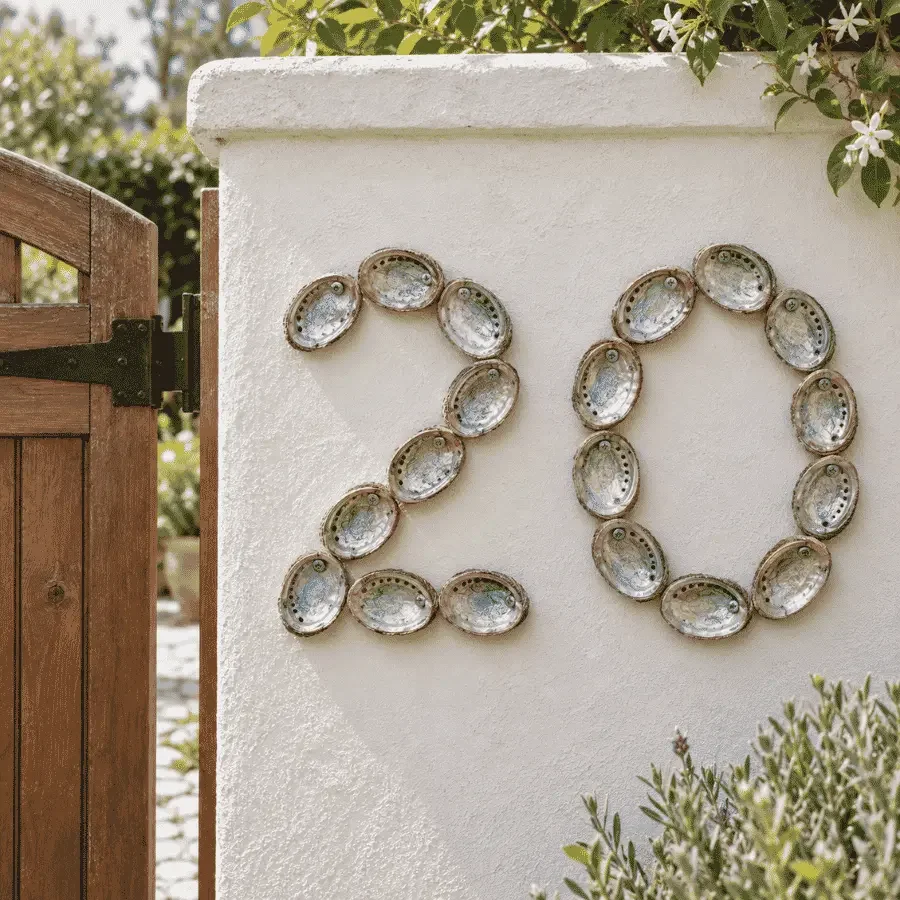
With that in mind, here are 20 questions - and answers to them - that cover the issues Hermanus sellers typically need to consider, from deciding your asking price right through to handing over the keys.
1. What is my Hermanus property worth?
The best starting point for pricing your property is recent sales of genuinely comparable properties, adjusted for your home’s particular strengths and weaknesses.
Location, condition, size, outlook, privacy and layout all matter. In Hermanus, consider details such as sea views, wind exposure, proximity to beaches or the cliff path, and the usefulness of outdoor living areas.
Even within the same suburb, two apparently similar houses can offer quite different experiences.
Ask your agent for a comparative market analysis that distinguishes between what sellers are asking and what buyers have actually paid. Online listings show your competition, while completed sales provide stronger evidence of achievable value.
2. Should I start with a high asking price to leave room for negotiation?
Some negotiating room can make sense, but an overly inflated starting price can work against you.
You don’t need a degree in buyer psychology to understand that they will compare your property with other homes available within the same budget. If yours appears over-priced, they may simply go past it.
A high price can also place your listing outside the online search range of buyers who would otherwise be a good match.
So, set an asking price you can back with evidence. Agree in advance how you will review it using enquiries, viewings, feedback and competing listings. “We can always reduce it later” is a fallback, rather than a complete pricing strategy.
3. How long will it take to sell my property?
Separate the time needed to find a buyer from the time needed to transfer ownership.
Finding a buyer depends on your price, property type, presentation and the number of suitable buyers actively looking. A distinctive premium home may require more patience because its potential audience is smaller.
Once a sale is agreed, a straightforward transfer might take roughly two to four months, although finance, paperwork and clearance delays can extend that period. This is a planning guide, rather than a promised completion date.
To get the clearest possible idea, ask your agent for recent examples in your suburb and price bracket, and your conveyancer for a transaction-specific timetable.
4. When is the best time of year to sell in Hermanus?
The best time to sell is when your property is ready, your pricing is realistic and the timing supports your next move.
Summer offers opportunities to show outdoor spaces and coastal living. However, holiday visitors are not automatically committed buyers, and serious purchasers can emerge at other times of year.
Consider when your particular home looks and feels its best. Does it have a sheltered winter patio? Wonderful morning light? A garden that deserves to be photographed in spring?
Also consider the cost of waiting. Several extra months of ownership can outweigh an uncertain seasonal advantage.
5. What should I do before putting my home on the market?
Prepare the property, the paperwork and your own plan before launching the listing.
Start with cleaning, decluttering, minor repairs and a careful inspection of anything that might concern a buyer. Gather your ownership information, municipal account, available building plans and records of improvements.
Then clarify your priorities. When would you ideally move? What proceeds do you need? Would you accept a lower offer with more dependable terms?
For a coastal home, pay particular attention to signs of damp, leaks, corrosion and neglected exterior maintenance. Investigate the cause of problems before deciding how to address them.
6. Should I renovate before selling?
Renovate selectively, with a clear reason for each expense, as explored in detail here.
A repair that removes an obvious concern may be more useful than a costly upgrade chosen to your taste. Fresh paint where needed, functioning doors, good lighting and tidy outdoor areas can help buyers assess the home without a mental list of unfinished jobs.
A new kitchen or bathroom is a different calculation. You may not recover the full cost, and the work may delay your sale.
Before committing, ask your agent to compare the likely outcome of selling as the property stands with selling after the proposed work.
7. How do I choose the right estate agent?
This topic bears careful consideration as it will influence the price you achieve and the quality of your selling experience.
Choose an agent who can explain how they will sell your property and support their advice with evidence.
Ask about comparable sales, likely buyers, marketing, viewing arrangements, negotiation and reporting. Request a sample listing and a clear explanation of how the agent handles disappointing feedback or a quiet first month.
Check the practitioner’s credentials and current Fidelity Fund Certificate through the PPRA.
Be cautious about choosing purely on the highest suggested price. A flattering valuation is easy to give. The more useful conversation is how that price could be achieved – and what might prevent it.
8. Is a sole mandate better than an open mandate?
A properly structured sole mandate can provide clearer responsibility and a more coordinated campaign.
One appointed agency can manage the presentation, price, enquiries and feedback consistently. It may also work with other agents where suitable arrangements are agreed.
The benefit depends on what the agency commits to doing. Discuss the mandate period, marketing activity, reporting, review dates, commission triggers and termination provisions before signing.
An open mandate gives several agencies permission to market the property, but it requires careful coordination. Read either agreement closely, particularly the provisions dealing with buyers introduced during the mandate and possible competing commission claims.
9. How much commission will I pay?
Commission is negotiated with the agency and should be recorded clearly in your mandate.
Confirm whether the quoted percentage includes VAT, what marketing is included and when commission becomes payable.
For illustration, on a R10-million sale, commission of 5% excluding VAT would amount to R575,000 including VAT at 15%, where the agency charges VAT. That leaves R9,425,000 before bond settlement and other deductions.
The cheapest fee is only one part of the calculation. Compare the service, likely selling outcome and amount you expect to retain after all costs.
10. What other costs should I budget for?
Budget for the full cost of selling, including expenses that may arise before transfer-
Depending on your circumstances, these can include bond cancellation charges, compliance inspections and repairs, municipal clearance payments, levy-related amounts, moving expenses and capital gains tax. Ask which amounts need to be funded upfront and which can be settled from the proceeds.
Transfer duty is generally a buyer’s tax, where applicable.
Request a written estimate of your net proceeds before accepting an offer. Remember that repaying your outstanding bond reduces the cash you receive, even though it is repayment of debt rather than a selling fee.
11. Will I pay capital gains tax?
Possibly. The answer depends on the gain, ownership structure and how the property has been used.
The SARS Capital Gains Tax page currently lists a R3 million primary-residence capital-gain exclusion for the 2027 tax year, subject to qualifying conditions. This applies to the qualifying gain, not the property’s selling price. Selling a home for R10-million does not mean being taxed on R10-million.
A Hermanus holiday home or investment property does not automatically qualify as your primary residence. Rental use and periods of occupation can affect the calculation. Have a tax practitioner assess your position before committing the expected proceeds elsewhere.
12. Can I sell if I still have a bond?
Yes. An outstanding bond is normally settled and cancelled as part of the transfer process.
Contact your bank early to establish its notice requirements, settlement amount and cancellation costs. Standard Bank, for example, asks for 90 days’ notice to cancel a home loan. Short notice can result in additional interest charges.
Continue meeting your repayment obligations while the sale proceeds.
If the expected sale proceeds will not cover the outstanding debt and costs, speak to the bank and conveyancer before accepting an offer. The shortfall needs an agreed solution.
13. What defects must I disclose?
Be open about known defects and answer the property disclosure form accurately.
Relevant issues may include recurring leaks, damp, structural problems, defective installations and uncertainty about alterations or approvals.
Under section 67 of the Property Practitioners Act, the disclosure process forms part of an agent-managed transaction: the completed form must be provided to a prospective purchaser intending to make an offer and attached to the sale agreement.
If you do not know the answer to a question, say so and investigate where appropriate. A coat of paint may improve a wall’s appearance; it does not resolve the reason water keeps coming through it.
14. Do I need approved building plans?
Investigate your plans before selling, especially if the property has been altered.
Obtain the available municipal records and check whether they reflect the house as it stands. Enclosed patios, garage conversions and additional rooms deserve particular attention.
Missing copies and unapproved construction are different problems. A municipality’s inability to locate an old plan does not, by itself, prove that the building was unauthorised.
However, discrepancies can complicate negotiations, financing and contractual obligations. Ask your conveyancer and an appropriate building professional how to resolve or disclose the position before making promises to a buyer.
15. Which compliance certificates will I need?
The requirements depend on the property’s installations, applicable rules and sale agreement.
Electrical compliance is a standard consideration. Gas installations and electric fences may require their own certificates. A beetle certificate may be required by the contract or lender, but it is not a universal statutory requirement for every South African sale.
Ask your conveyancer for a checklist specific to your Hermanus property. Do not assume that a checklist written for another municipality applies unchanged.
Arrange inspections early enough to deal with remedial work. The inspection fee may be modest compared with the cost of correcting a faulty installation.
16. How should my property be marketed?
Selling premium properties requires a premium approach to marketing that leaves suitable buyers in no doubt as to why your particular property deserves consideration.
Start with professional photography, accurate descriptions, a useful floor plan and clear information about the home’s condition and running costs. Video or a virtual tour can help buyers considering a purchase from elsewhere.
Then identify the most plausible audience. A permanent family home, a retirement property and a holiday retreat may need different emphasis.
In Hermanus, explain the practical value of the location: walkability, beach access, shelter, privacy or proximity to everyday amenities. “Beautiful home in a sought-after area” leaves rather a lot unsaid.
17. Do I need show days, and should I be present at viewings?
Choose viewing arrangements that suit the property, your privacy and the likely buyers.
A show day can make access easier. Private appointments may be more appropriate where discretion, security or detailed qualification matters.
Agree how visitors will be screened, how appointments will be managed and when you will receive feedback. Secure valuables and sensitive documents beforehand.
Where practical, give buyers room to explore with the agent. They may find it easier to discuss concerns openly when the owner is elsewhere. Your agent can provide a factual briefing without turning the viewing into a guided tour of every family memory.
18. Should I accept the first offer or hold out for more?
Is a higher price worth waiting for? It can be. But it’s best to properly assess any offer on its merits.
Compare the price with recent sales, competing properties and the response to your marketing. Then examine the buyer’s funding, conditions and proposed dates.
A slightly lower offer with dependable funding may suit you better than a higher offer dependent on several uncertain events.
And don’t forget to factor in the cost of waiting, including bond repayments, interest, rates, levies, maintenance and any overlapping accommodation. Holding out can be reasonable, but it should be a decision supported by evidence rather than an attachment to the original asking price.
19. What should I check before signing an offer to purchase?
Treat the offer as a legal agreement, rather than a price proposal with paperwork attached.
Check the purchase price, deposit, financing conditions, deadlines, occupation arrangements, included fixtures, repair commitments and any condition requiring the buyer to sell another property.
Be precise about items such as solar equipment, water tanks, curtains and furniture. Record agreed inclusions and exclusions.
A properly concluded written sale agreement can bind the parties, subject to its terms and conditions. Have your conveyancer review anything you do not understand before signing, particularly unusual conditions or promises about future work.
20. When do I move out and receive my money?
Occupation, registration and payment are connected, but they are not necessarily simultaneous.
Your sale agreement should state when occupation takes place and what occupational rent applies if occupation and ownership do not coincide.
The conveyancer will explain when the net proceeds are expected to be available after registration, settlement of the bond and other deductions. Avoid planning another payment around an assumed same-day release.
Confirm the handover arrangements, including keys, remotes, meter readings and the agreed condition of the property. A little attention here can make the final stage much less stressful.
A better sale starts with better questions
You do not need to have every answer before speaking to an agent. You do deserve clear explanations before making decisions that affect your property and your finances.
Whether you plan to sell soon or are simply considering your options, early preparation gives you time to address problems, understand your likely proceeds and choose a sensible way forward.
Thinking of selling in Hermanus or the surrounding Overstrand area? Contact Simon Andrew to discuss your property, your priorities and what to do next.

Simon Andrew authors the Rare Erf Sellers Advisory - and works for international premium property specialists, Fine & Country in Hermanus.